



Drains & Sewers
24-Hour, 7 Days a Week Emergency Service
Drain problems range from minor annoyances to genuine emergencies. A slow kitchen sink is frustrating. A backed-up sewer line affecting the whole house is a crisis. Either way, you need someone who can figure out what's actually going on and fix it properly.
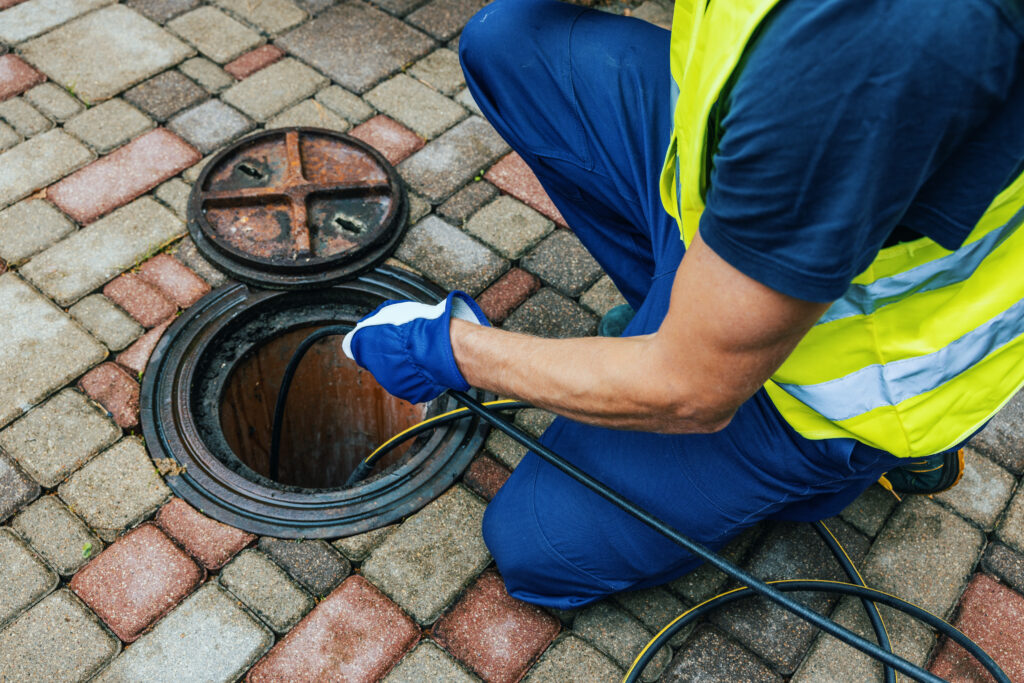
We clear drains, diagnose sewer line problems, and handle everything from routine maintenance to emergency repairs. Our trucks are equipped with cameras, cable machines, and hydro-jetting equipment so we can address most problems in a single visit.
Drain, Sewer Line & Toilet Clearing in Austin
Clogs happen for different reasons depending on where they occur. Kitchen drains collect grease, food particles, and soap that harden over time and stick to pipe walls. Bathroom drains accumulate hair, soap residue, and product buildup. Main sewer lines can be blocked by roots, debris, or structural problems with the pipe itself.
When you have a clogged drain, chemical drain cleaners might seem like an easy fix. We don't recommend them. These products can damage your pipes over time, creating weak spots and eventually holes. We use mechanical methods that clear the blockage without harming your plumbing.
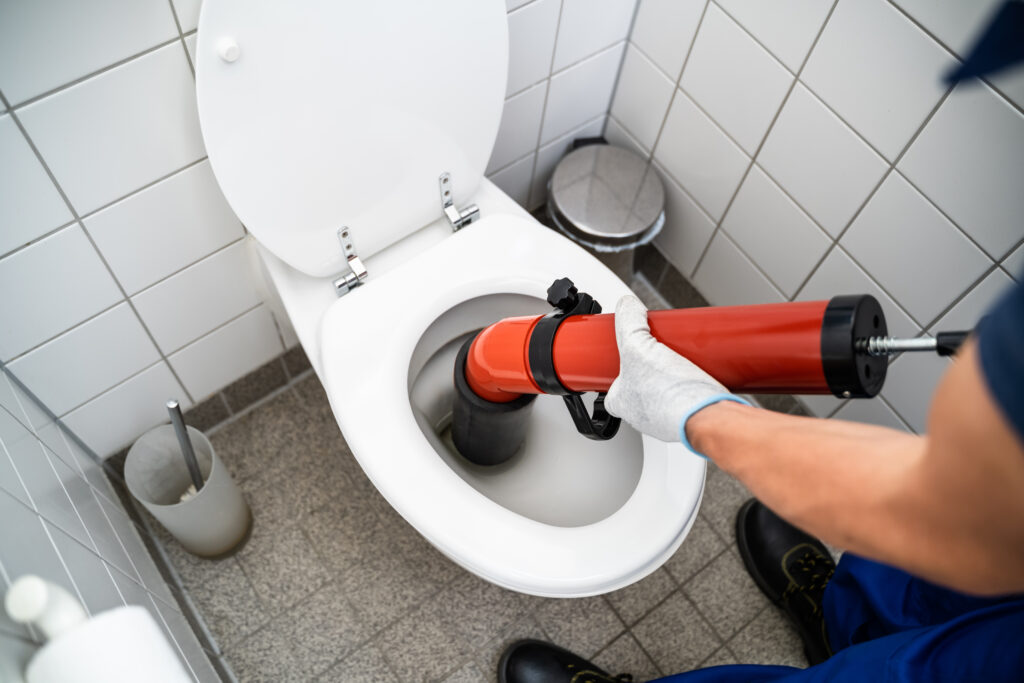
Toilet Clogs
Sometimes a toilet blockage is in the fixture itself and can be cleared with a cable. But recurring toilet problems often point to something deeper in the system. Tree roots, pipe damage, or improper slope can all cause toilets to back up repeatedly. If you're plunging the same toilet every few weeks, it's worth investigating further.
Camera Inspections & Line Locating
When you can't see what's happening underground, you're working blind. Camera inspections take the guesswork out of drain and sewer diagnostics.
We insert a small waterproof camera into your drain or sewer line and feed it through the pipe. The live video shows us exactly what's causing the problem: root intrusion, a collapsed section, a separated joint, heavy buildup, or something unexpected. We can also record the footage if you need documentation for insurance purposes or to share with another contractor.
What is Line Locating?
Our cameras work in conjunction with a line locator that tracks the camera's position underground. This tells us exactly where your pipes run and how deep they are. If we find a problem, we know precisely where to dig rather than excavating your yard based on estimates.
Depth readings also help us determine the slope of your sewer line. Without a pump, drain pipes must flow downhill toward the city main. If the slope is insufficient, you'll have recurring drainage problems no matter how many times you clear the line.
Planning a Renovation?
If you're adding a bathroom, finishing a basement, or building an addition that requires plumbing, locating your existing drain lines is an important first step. Knowing where your lines run and where they can be accessed helps us plan the most efficient tie-in for your new plumbing.
Sewer Line Repair & Replacement
Sewer lines don't last forever. Depending on the material, age, and soil conditions, pipes can become brittle, develop cracks, separate at joints, or collapse entirely. Tree roots find their way into small openings and grow over time, creating blockages and further damaging the pipe.
If camera inspection reveals damage to your sewer line, we'll explain exactly what we found and walk you through your options.
Common Sewer Line Problems
Older homes in Austin may still have original cast iron or clay pipes, which deteriorate over decades. Some homes built between World War II and the early 1970s have Orangeburg pipe, a material made from bituminized fiber and tar paper that has a limited lifespan and tends to deform or collapse.
Even newer PVC pipes can develop problems. Improper installation, ground shifting, or root intrusion at joints can cause failures regardless of pipe material.
Repair vs. Replacement
Minor damage may be repairable without replacing the entire line. A single broken section or separated joint can sometimes be fixed with a spot repair. But if the pipe has multiple problem areas, has deteriorated throughout its length, or is made of a material that will continue to fail, full replacement is usually the better investment.
We'll give you an honest assessment of your options, including the pros and cons of each approach for your specific situation.
Hydro-Jetting
Standard drain cleaning with a cable or snake punches through blockages and restores flow. But it doesn't remove the buildup clinging to pipe walls. That buildup continues to accumulate, and the clog comes back.
Hydro-jetting is different. It uses a specialized nozzle that sprays high-pressure water in multiple directions as it moves through the pipe. This scours the entire interior surface, removing grease, scale, soap buildup, mineral deposits, and debris. The result is a pipe restored close to its original condition.
When Hydro-Jetting Makes Sense
Hydro-jetting is ideal for recurring clogs that keep coming back after cable cleaning, heavy grease buildup in kitchen lines, older pipes with decades of accumulation, and any situation where you want a thorough cleaning rather than a temporary fix.
Before we jet, we typically inspect the line with a camera. This confirms that the pipe is in good enough condition to handle high-pressure cleaning and helps us identify the source of the problem.
Preventive Maintenance
You don't have to wait for a clog to have your lines cleaned. Regular hydro-jetting removes buildup before it causes problems. For homes with a history of drain issues, or with older pipes prone to accumulation, scheduled maintenance can prevent the emergency calls and the hassle of dealing with backed-up drains.
Sewer Pumps
Sewer and drain lines rely on gravity to carry waste from your home to the city main. When part of your plumbing system sits below the level of the city connection, gravity can't do the job. That's where sewer pumps come in.
Ejector pumps, grinder pumps, and similar systems lift waste from below-grade fixtures like basement bathrooms or laundry rooms up to the main sewer line. When these pumps fail, the fixtures they serve become unusable.
Pump Services
We install new pump systems, repair malfunctioning pumps, and replace pumps that have reached the end of their useful life. Our technicians work on ejector pumps, grinder pumps, and vortex pumps in both simplex and duplex configurations.
If your pump is making unusual noises, running constantly, failing to activate, or not keeping up with demand, call us for a diagnosis. Pump problems tend to get worse over time, and a failure at an inconvenient moment can create a messy situation.
Pump failures don't follow a schedule. We have technicians available after hours to troubleshoot pump problems and get your system working again. Call us at 512-477-2200 any time.
Sewer Odor Detection
Sewer odors in your home aren't just unpleasant. They can indicate a leak in your drain system that's allowing sewer gas to escape into your living space.
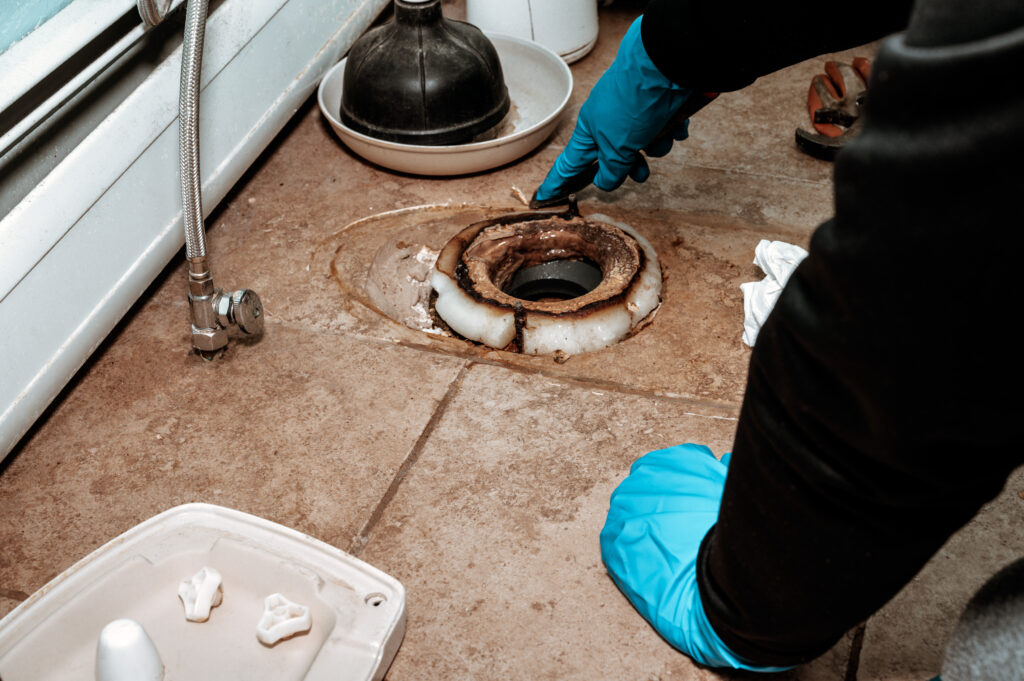
Common causes include broken fittings, cracks in pipes, dried-out traps, faulty wax seals under toilets, and improperly vented fixtures. Sometimes the source is obvious. Other times it takes detective work to track down.
How Do We Find A Sewage Leak?
We start by checking the most common culprits: toilet seals, trap primers, accessible fittings, and vent connections. If the obvious sources check out and the odor persists, we use a non-toxic smoke machine. This device fills your drain system with artificial smoke. Where there's a leak, smoke escapes, revealing the exact location of the problem.
After-Hours Scheduling for Leaks
For businesses, sewer odor testing can be disruptive during operating hours. We can schedule smoke testing and related work after hours so it doesn't interfere with your operations. Just let us know what works best for your situation.


