
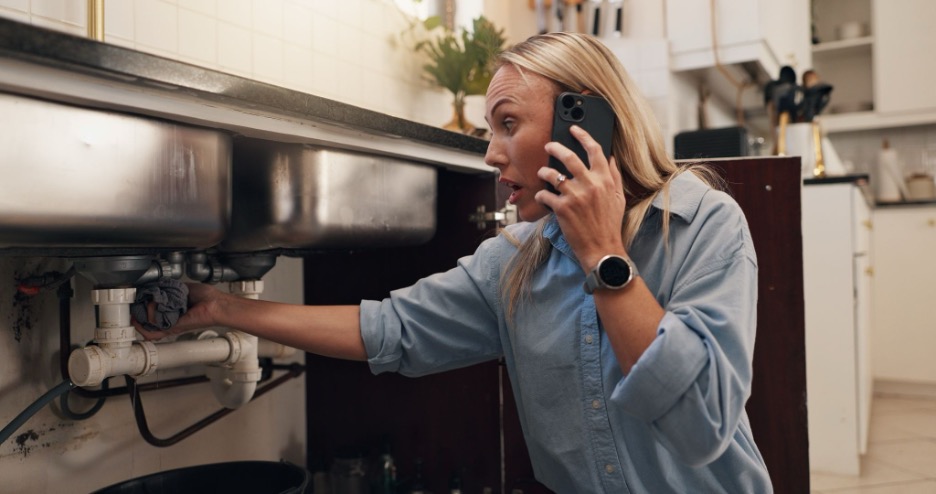
Plumbing emergencies have one thing in common: they never happen at a convenient time. A burst pipe on a Sunday night. A backed-up sewer the morning of a dinner party. An overflowing toilet with a house full of guests.
The frustrating part is that most of these situations are preventable. A little regular attention to your plumbing system catches the small problems before they become the expensive ones.
Here's what Austin homeowners deal with most, and what to do about it before it becomes an emergency call.
What Are the Most Common Plumbing Emergencies?
Burst or Leaking Pipes
A burst pipe can dump gallons of water into your home in minutes, damaging floors, walls, and anything nearby. The causes are usually high water pressure, age and corrosion, or pipes that freeze and expand during a cold snap.
If it happens: Find your main water shut-off valve and turn it off immediately. Every member of your household should know where this valve is before there's an emergency. For most Austin homes, it's near where the main line enters the house, often in a utility closet or near the water meter.
Prevention:
- Monitor your water pressure. Normal residential pressure runs between 40-60 psi. Anything consistently above 80 psi puts stress on pipes and fittings and accelerates wear.
- Check visible pipes under sinks and in utility areas a couple of times a year for corrosion, moisture, or discoloration.
- During Austin's occasional hard freezes, let faucets drip overnight and open cabinet doors under sinks to let warm air reach exposed pipes.
Clogged or Backed-Up Drains
A slow drain is an inconvenience. A fully backed-up main sewer line is an emergency. When the main line backs up, sewage can reverse into your lowest drains, which is exactly as bad as it sounds.
If it happens: Stop using water in the house and call a plumber. Don't try to plunge or snake a main line backup yourself.
Prevention:
- Install drain strainers in showers and tubs to catch hair before it builds up in the pipe.
- Never pour cooking grease or oil down a drain. It hardens in the pipe and creates blockages that accumulate over time.
- Don't flush anything other than toilet paper. "Flushable" wipes don't break down the way toilet paper does and are a leading cause of sewer clogs.
- If you have mature trees near your sewer line, have a plumber camera the line every few years. Tree roots actively seek out water sources and can infiltrate and break older pipes.
Running or Overflowing Toilet
A toilet that won't stop running wastes significant water and inflates your utility bill. A toilet that overflows is a more immediate problem, especially if it's the result of a deep clog.
If it happens: Turn off the shut-off valve behind the toilet at the wall. Turn it clockwise until it stops. This cuts water to the toilet without affecting the rest of the house.
Prevention:
- If your toilet runs intermittently or constantly, the flapper valve is usually the culprit and is an inexpensive fix.
- Don't use the toilet as a trash can. Cotton balls, dental floss, paper towels, and similar items accumulate in the trap and cause blockages.
Water Heater Failure
A leaking or failed water heater can cause significant water damage quickly, especially if the tank itself cracks. Sediment buildup, a failed pressure relief valve, and aging tanks are the most common causes.
If it happens: Shut off the cold water supply line to the unit and turn off the gas or power. If water is actively flooding, get to the main shut-off.
Prevention:
- Flush your water heater tank every six months to clear sediment, which is especially important in Austin where hard water accelerates buildup.
- Test the pressure relief (TPR) valve annually by lifting the lever briefly to confirm it opens and reseals.
- Have the anode rod inspected every 3-5 years. When it's consumed, the tank starts corroding instead.
- Most water heaters last 8-12 years. If yours is past that window and starting to show problems, replacement is usually the smarter investment over repair.
Sewer Line Backup
A sewer backup is one of the costliest and most disruptive plumbing emergencies a homeowner can face. Gurgling sounds from drains, slow drains across multiple fixtures at once, and sewage odors inside the house are all warning signs.
If it happens: Stop all water use immediately and call for emergency service. Sewage backup is a health hazard and needs professional attention fast.
Prevention:
- Avoid pouring grease, oil, or coffee grounds down any drain.
- Have your main sewer line inspected every few years, especially in older Austin homes with clay or cast iron pipes.
- Consider installing a backwater valve, which prevents sewage from flowing back into your home when the municipal system gets overwhelmed during heavy rain.
What Should Every Austin Homeowner Know Before an Emergency Hits?
Find your main shut-off valve now, before you need it. Walk through your home and locate it. Make sure it turns freely. Show everyone in the household where it is. A quick response in the first minutes of a plumbing emergency can prevent thousands of dollars in water damage.
Don't ignore small leaks. A dripping faucet or a slow drain is your plumbing system asking for attention. Ignoring small leaks can cost hundreds in wasted water and lead to mold, wood rot, and structural damage over time.
Schedule an annual inspection. A plumber can spot the warning signs that aren't visible from the surface: corrosion inside pipes, pressure issues, aging water heaters, and root intrusion in sewer lines. Catching those early is always cheaper than responding to the emergency they eventually cause.
Clarke Kent Plumbing Responds to Austin Plumbing Emergencies 24/7
When something goes wrong at your home or business, Clarke Kent Plumbing is available around the clock. We handle burst pipes, sewer backups, water heater failures, and drain emergencies across Austin with same-day response and no after-hours runaround.
Call 512-477-2200 any time, day or night.
How Can We Help?
For any inquiries or questions, please call us at 512-477-2200 or email us at dispatch@clarkekentplumbing.com



1408 W. Ben White Blvd.
Austin TX 78704
Phone: 512-477-2200
Fax: 512-916-8856
dispatch@clarkekentplumbing.com
This email is monitored Mon-Fri 7:30am-5:00pm





#14195
© 2026 Clarke Kent Plumbing, Inc.